Get Healthy!
- Posted July 2, 2026
Rural Americans More Likely To View Cancer As A Death Sentence, Poll Finds
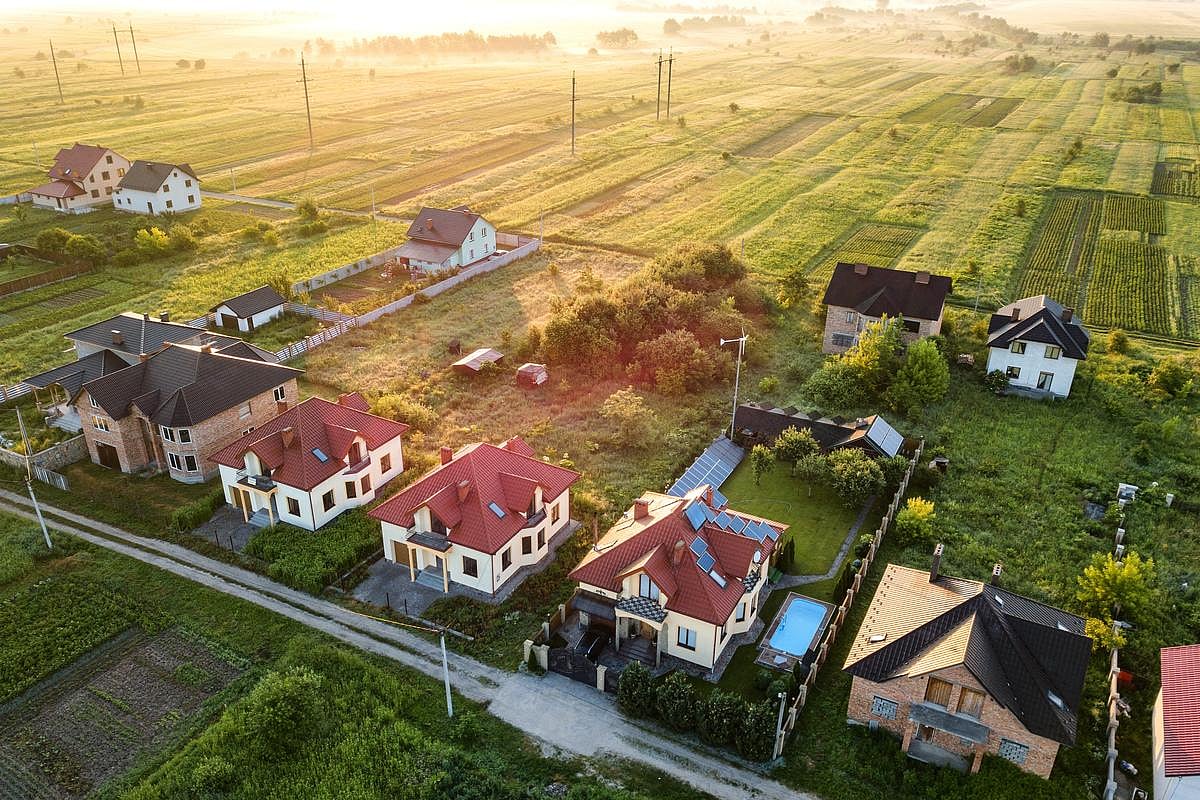
People living in rural America are more likely to view cancer as a death sentence, a new survey reports.
About 43% of people living in rural areas say a cancer diagnosis means inevitable death, compared to 35% of people in urban or suburban locales, according to the new poll from the Prevent Cancer Foundation.
This is likely driven by a deep skepticism of both medicine and cancer prevention, the foundation said.
Fewer than half (48%) of rural Americans have had a routine check-up or cancer screening in the past year, compared to more than half (56%) of urban and suburban dwellers, the poll found.
Rural residents are also less likely to believe people can prevent cancer or reduce their risk, with 64% agreeing compared to 71% of urban dwellers.
People from rural areas were more likely to be skeptical that any lifestyle changes might reduce risk, questioning the value of routine cancer screenings, eating a healthy diet, avoiding tobacco and other factors known to protect against cancer, the results showed.
Further, more than half (55%) of rural residents said their skepticism stems from the belief that healthcare systems prioritize profit over patient care.
“It’s clear from the data that barriers in rural communities go beyond access — they show a need to improve trust, information sharing and the patient experience,” Foundation CEO Jody Hoyos said in a news release.
However, the survey found several ways in which this gap could be closed:
Nearly half (48%) of rural people said clear, consistent and transparent communication from healthcare professionals would increase their trust in cancer screening.
In all, 48% also said they’d be more likely to complete cervical cancer screening if they could self-administer the test in a doctor’s office.
Further, 32% said they’d be more likely to prioritize colon cancer screenings if they could take an at-home test, and 30% cited a blood test as a preference. Both options are currently available under screening guidelines.
“When people feel heard, receive clear information and can access routine screenings in ways that work for their lives, they are more likely to take action,” Hoyos said. “That’s where we have an opportunity to make meaningful, lasting change.”
Rural residents also are less likely to vaccinate their children against human papillomavirus (HPV), which causes nearly all cervical cancers and contributes to at least five other types.
About 42% of rural folks said they’d get their child the HPV vaccine, compared to 49% of urban and suburban dwellers, the poll found.
The poll involved 7,510 U.S. adults 21 and older who were surveyed in January 2026. The margin of error is plus or minus 1 percentage point.
More information
The AAMC has more on rural healthcare.
SOURCE: Prevent Cancer Foundation, news release, June 29, 2026


