
Get Healthy!
- Posted December 1, 2025
Tea, Coffee, Nuts, Berries: All Good for Your Heart
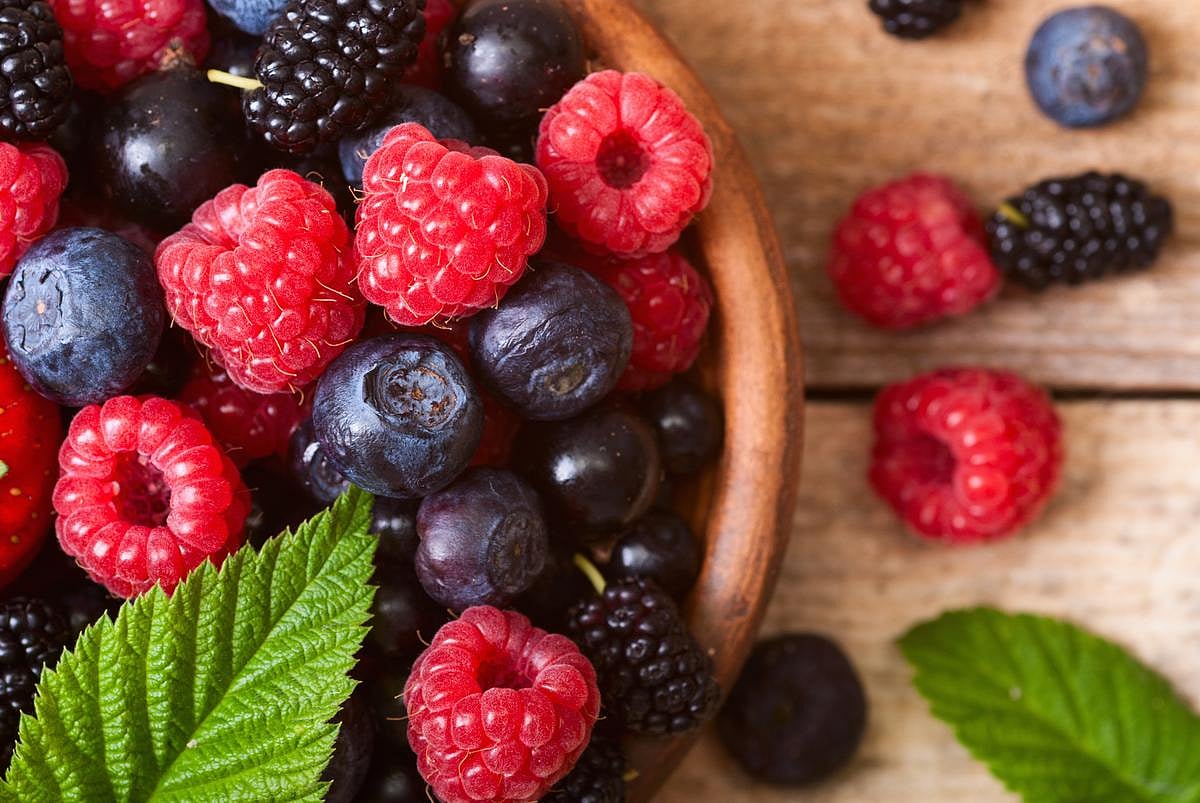
Tea, coffee, berries, cocoa, nuts, whole grains, olive oil: They’re all rich in antioxidant compounds called polyphenols, and they’re all good for your heart, a new British study shows.
“This research provides strong evidence that regularly including polyphenol-rich foods in your diet is a simple and effective way to support heart health,” said study lead author Yong Li, a PhD candidate in nutrition at Kings College London.
As her team explained, polyphenols are natural compounds that have long been known to be beneficial for heart, brain and gut health.
In the new study, the London team tracked the blood pressure and cholesterol levels of more than 3,100 U.K. adults for 11 years. They also tracked cardiovascular risk profiles of participants such as the ASCVD risk score and HeartScore.
They monitored levels of certain metabolites in participants’ urine to track individual levels of dietary polyphenol intake.
As polyphenol metabolite levels rose, heart risk factors such as blood pressure and cholesterol levels improved, Li and colleagues reported. That included a healthy rise in levels of HDL ‘good’ cholesterol.
Benefits seemed to derive from two types of polyphenols especially: flavonoids and phenolic acids.
The study also utilized a “polyphenol dietary score” (PPS), which helped the researchers calculate intake of 20 different polyphenol-rich foods such as tea, coffee, berries, olive oil, nuts and whole grains.
According to the authors, polyphenol-rich foods often work together with other factors in a healthy diet to promote cardiovascular health.
“Our findings show that long-term adherence to polyphenol-rich diets can substantially slow the rise in cardiovascular risk as people age,” said study senior author Ana Rodriguez-Mateos, professor of human nutrition at King’s College London.
“Even small, sustained shifts towards foods like berries, tea, coffee, nuts, and whole grains may help protect the heart over time,” she said.
The study was designed to only show associations between polyphenol intake and heart health, not cause-and-effect, the team noted.
However, they say that although a person’s heart risks naturally rise with age, their research suggests polyphenol-rich diets help slow that progression.
According to Li, “these plant compounds are widely available in everyday foods, making this a practical [health] strategy for most people.”
The findings were published Nov. 27 in the journal BMC Medicine.
More information
There's more on polyphenols at the Cleveland Clinic.
SOURCES: King's College London, news release, Nov. 26, 2025; BMC Medicine, Nov. 27, 2025


